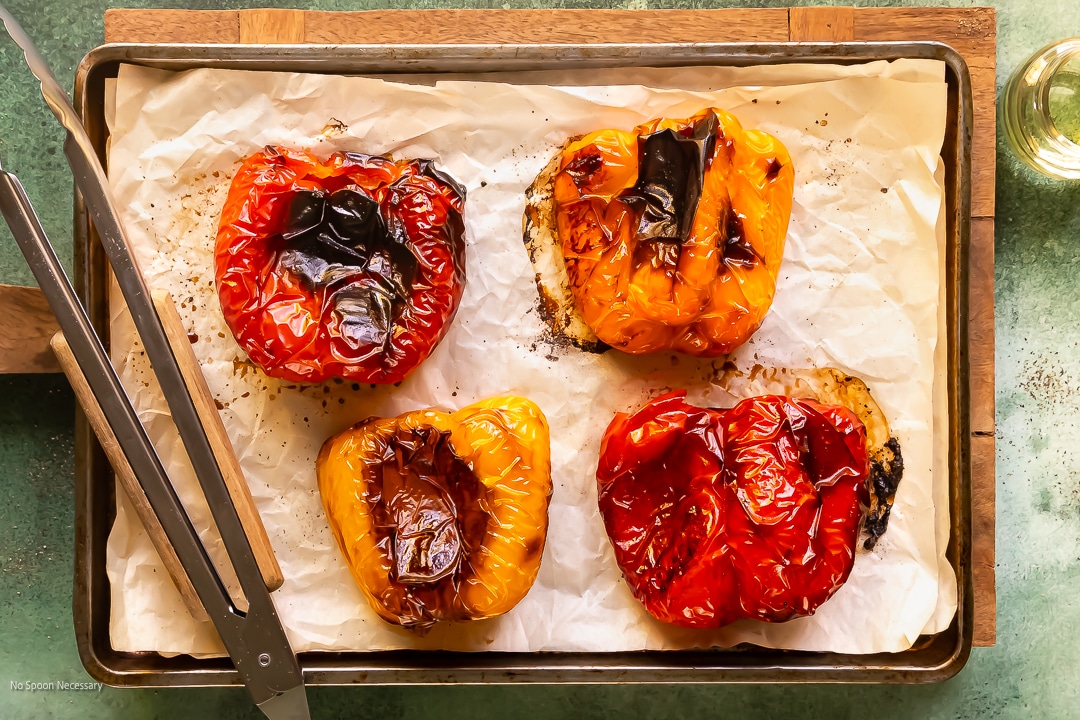
Unlocking the Magic of Roasted Peppers: Sweetness, Char, and Silky Texture
There's a culinary transformation that happens when you apply heat to a humble pepper. The vibrant crispness gives way to an unparalleled depth of flavor, a smoky char, and a melt-in-your-mouth silky texture that elevates countless dishes. If you've ever wondered how to roast red peppers – or any pepper for that matter – to achieve this delicious metamorphosis, you've come to the right place. This comprehensive guide will walk you through various methods, tips, and tricks to ensure your roasting experience is a resounding success, whether you're making a small batch for tonight's dinner or preparing a large haul for future meals.
Roasting isn't just about cooking; it's about flavor enhancement. The intense heat caramelizes the natural sugars within the pepper, intensifying its sweetness. Simultaneously, the direct exposure to heat creates a beautiful char, imparting a desirable smoky depth. The once firm flesh softens, becoming incredibly tender and succulent. Bell peppers are a popular choice due to their thick walls and sweet profile, but the techniques outlined here are adaptable for all kinds of peppers, from spicy jalapeños to delicate mini-sweets. The only real adjustment you'll need to make is monitoring the cooking time, as smaller, thinner-walled peppers will cook much faster.
Why Roasting Peppers is a Game Changer for Your Kitchen
Beyond the simple act of cooking, roasting peppers unlocks a world of culinary possibilities. The resulting sweetness and smoky notes make them an incredibly versatile ingredient, indispensable in many cuisines. Here are just a few reasons why you should master this technique:
- Intensified Sweetness: The heat breaks down complex carbohydrates into simpler sugars, making the peppers taste far sweeter than their raw counterparts. This natural sweetness is a fantastic counterpoint to savory dishes.
- Smoky Char Depth: The characteristic blistering and charring on the skin infuse the peppers with a wonderful smoky aroma and flavor, adding complexity that can't be achieved otherwise.
- Silky, Tender Texture: Roasting softens the fibrous cell walls, transforming the pepper's texture from crisp to incredibly tender and silky, almost buttery. This makes them delightful to eat on their own or incorporated into smooth purees.
- Versatility in Dishes: Roasted peppers are fantastic in a myriad of applications. Think vibrant additions to salads, rich bases for sauces (like romesco or muhammara), flavorful sandwich fillings, topping for pizzas and bruschetta, or simply marinated in olive oil as an appetizer.
- Easy Preservation: Once roasted, peppers can be stored in the refrigerator or frozen, allowing you to enjoy their unique flavor long after they're in season.
Essential Preparation for Any Roasting Method
No matter which roasting method you choose, a few initial steps are crucial for the best results and easiest cleanup:
- Wash and Dry Thoroughly: Always start by washing your peppers under cool running water to remove any dirt or residue. Then, dry them completely with a kitchen towel. Excess moisture can prevent proper charring and lead to steaming rather than roasting.
- Gather Your Tools: Depending on your chosen method, you'll need a rimmed baking sheet (often lined), tongs, a bowl with plastic wrap or a paper bag for steaming, and possibly a good knife.
- Consider Pepper Type: While bell peppers are the most common choice for roasting, feel free to experiment with other varieties. Pointed sweet peppers, poblanos, or even jalapeños benefit greatly from roasting. Just remember to adjust cooking times accordingly – smaller peppers will cook faster.
Mastering Oven Roasting: Whole vs. Sliced
The oven is arguably the most common and convenient method for roasting peppers, especially if you're preparing a larger batch. There are two primary approaches:
Roasting Whole Peppers in the Oven
This method is fantastic if you're planning to roast a significant quantity of peppers, perhaps for meal prepping or preserving. It's often the most traditional way to roast them.
Method:
- Preheat your oven to a high temperature, typically between 400°F and 475°F (200°C to 245°C).
- Wash and thoroughly dry your whole peppers.
- Arrange the peppers on a rimmed baking sheet. For easier cleanup, line the baking sheet with parchment paper or a silicone baking mat.
- Place the baking sheet in the center of the preheated oven.
- Roast for about 30-50 minutes (depending on oven temperature and pepper size), turning every 10-15 minutes, until the skins are deeply charred and blistered, and the peppers are soft and deflated, often appearing puffy during cooking.
Pros: You can fit many whole peppers on a single baking sheet, making it efficient for large batches. This method often yields more flavorful "pepper juice" at the bottom of the steaming bowl, which is excellent for storing the roasted peppers in jars. The internal structure stays intact longer, retaining moisture.
Cons: You'll still need to remove the core and seeds after roasting, which can be a bit messier once the peppers are soft. This makes it slightly less efficient for immediate use if you're prioritizing speed of preparation.
Roasting Sliced Peppers in the Oven
If you prefer a quicker prep and less post-roasting fuss, roasting peppers after slicing them is an excellent choice. Many home cooks discover this method and quickly adopt it as a favorite.
Method:
- Preheat your oven to 475°F (245°C).
- Wash and thoroughly dry your peppers.
- Slice each pepper in half lengthwise. Remove the core, stem, and all seeds. This front-loading of prep saves time later.
- Place the pepper halves, cut-side down, on a rimmed baking sheet lined with parchment paper or a silicone baking mat.
- Roast for about 20-30 minutes, or until the skins are nicely charred and the flesh is tender. There's usually no need to flip them when placed cut-side down.
Pros: Seeds are removed *before* roasting, significantly reducing mess and making the peeling process much simpler. This is an incredibly efficient method for most home cooks, especially if you're not planning long-term storage and want less hands-on time after cooking. You can easily fit 4-6 halves per sheet, sometimes more. This approach is my new favorite when not storing for extended periods. For a deeper dive into the benefits of each oven method, check out our guide on Roasted Peppers: Sliced vs. Whole in the Oven – Which is Best?
Cons: This method tends to yield less of the flavorful pepper juice compared to roasting whole peppers, which might be a consideration if you plan to store them in their own juices.
For oven roasting, you can also consider broiling. Broiling offers a very fast char, as the heat source is directly above the peppers. Keep a close eye on them, as they can go from perfectly charred to burnt very quickly. Flip them frequently to ensure even charring on all sides.
Alternative Roasting Methods: Stovetop & Grill
While the oven is convenient, direct flame methods offer an even more intense char and smoky flavor, perfect for smaller batches or when you want that distinct outdoor grill taste.
Stovetop Roasting (Direct Flame)
This method is fantastic for quickly roasting a few peppers, ideal for adding to a dip or a quick sandwich. It requires vigilance but offers immediate satisfaction.
Method:
- Place a whole pepper directly over the flame of a gas burner.
- Using tongs, rotate the pepper every minute or so, allowing all sides to char and blister until the skin is mostly black and bubbly.
- Be careful not to overcook the flesh, just aim for charring the skin.
Pros: Fast, convenient for small quantities, excellent smoky flavor. No preheating an entire oven. Cons: Requires constant attention and direct supervision. Can be a bit messy if juices drip. Only suitable for gas stovetops.
Grill Roasting (Outdoor Grill)
If you love the taste of grilled food, then roasting peppers on an outdoor grill is a must-try. The high heat and smoke from the grill impart an unparalleled flavor.
Method:
- Preheat your grill (gas or charcoal) to high heat.
- Place whole or halved peppers directly on the grill grates.
- Grill, turning every 5-7 minutes, until all sides are well charred and the peppers have softened.
Pros: Imparts a wonderful smoky, grilled flavor. Great for larger batches when grilling other foods. Cons: Requires an outdoor grill. Can be weather-dependent. For a more detailed guide on all these methods, including stovetop and grill, refer to The Ultimate Guide to Roasting Peppers: Oven, Stove, Grill.
Steaming, Peeling, and Storing Your Roasted Delights
Once your peppers are beautifully charred and tender, the next crucial steps are steaming and peeling. This process is essential for achieving that silky, skinless texture and enhancing the overall flavor.
The Steaming Process
Immediately after removing the hot peppers from the oven, stovetop, or grill, they need to be steamed. This helps loosen the charred skin, making it much easier to peel.
Method:
- Transfer the hot peppers to a heat-proof bowl and immediately cover tightly with plastic wrap.
- Alternatively, place them in a paper bag and seal it tightly.
- Let them sit and steam for at least 15-20 minutes, or until cool enough to handle. The steam created by the trapped heat will loosen the skins.
Peeling Your Peppers
Once steamed and cooled, peeling is surprisingly easy.
Method:
- Once the peppers are cool enough to handle, remove them from the bowl or bag.
- The charred skin should slip off easily with your fingers or a paring knife. Discard the skins.
- If you roasted them whole, now is the time to slice them open and carefully remove the core, stem, and all seeds. A gentle rinse under running water can help remove stubborn seeds, but try to avoid washing away too much of the flavorful juices.
Expert Tip: Don't worry if you miss a tiny bit of char on the skin – a little bit of char adds to the smoky flavor profile!
Storing Your Roasted Peppers
Proper storage ensures you can enjoy your homemade roasted peppers for an extended period.
- Refrigeration: Place the peeled, deseeded peppers in an airtight container or mason jar. You can cover them with their own collected juices (if any) or a good quality olive oil. They will last for 5-7 days in the refrigerator.
- Freezing: For longer storage, arrange individual pepper pieces on a baking sheet and freeze until solid. Once frozen, transfer them to a freezer-safe bag or container. This prevents them from sticking together. Alternatively, you can pack them directly into freezer-safe containers with a bit of olive oil. They will keep for up to 6 months.
Conclusion
Learning how to roast red peppers is a fundamental skill that opens up a world of flavor. Whether you prefer the hands-off approach of oven roasting, the quick char of a stovetop flame, or the smoky essence of the grill, each method delivers peppers transformed into sweet, tender, and deeply flavorful culinary gems. With a little practice, you'll be effortlessly creating batches of these versatile ingredients, ready to elevate everything from everyday meals to gourmet creations. So, grab your peppers and get ready to unlock their full delicious potential!
