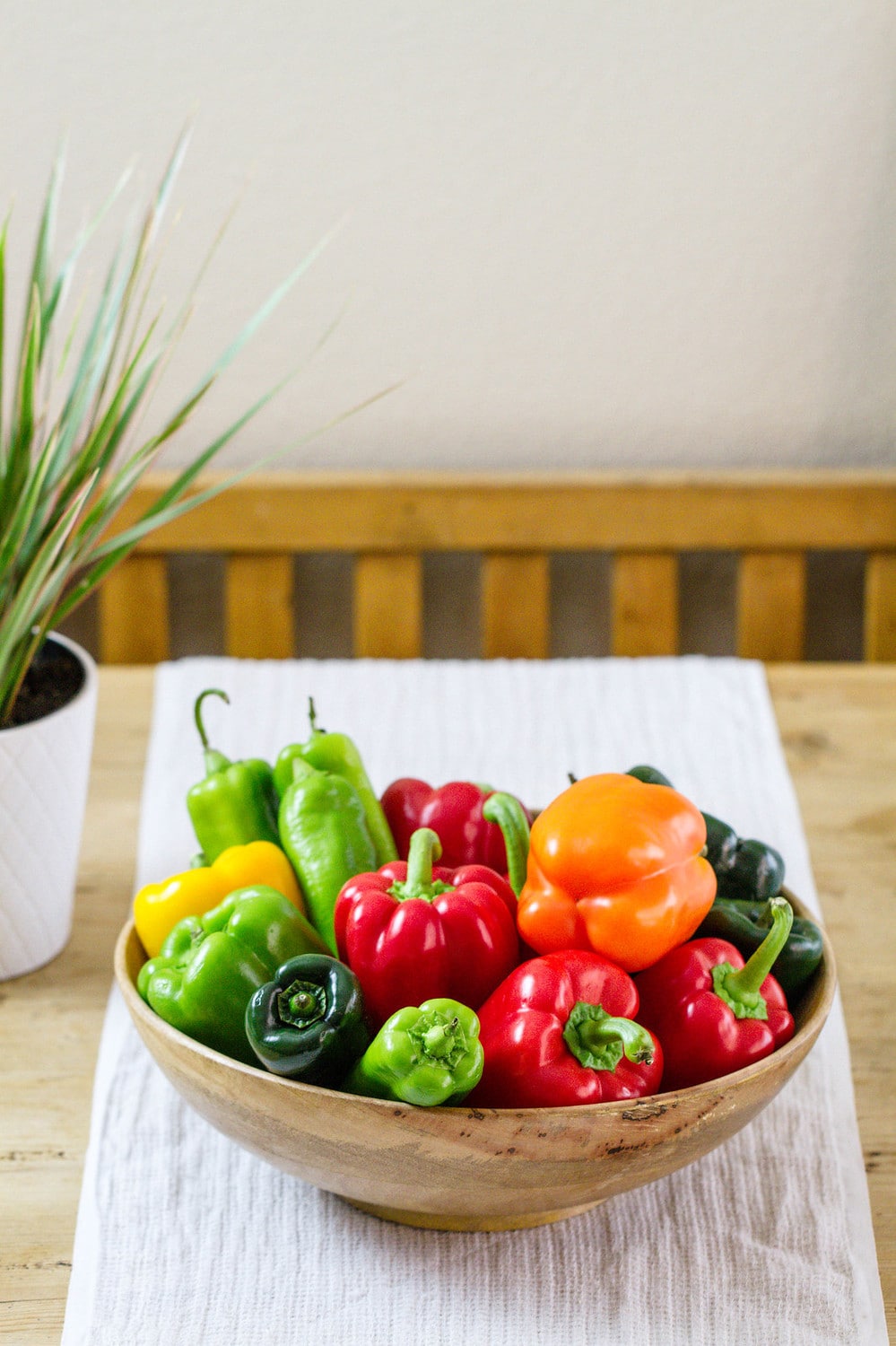
The Ultimate Guide to Roasting Peppers: Oven, Stove, Grill
Roasting peppers is a culinary game-changer, transforming humble bell peppers, jalapeños, or any variety you choose, into sweet, smoky, and intensely flavorful gems with a wonderfully silky texture. If you've ever wondered
how to roast red peppers (or any pepper for that matter) to perfection, you're in the right place. This comprehensive guide will walk you through the most popular and effective methods – oven, stove, and grill – ensuring you achieve delicious results every time. Unlock the rich potential of roasted peppers and elevate your dishes, from vibrant salads and robust sauces to savory dips and elegant appetizers.
Why Roast Peppers? Unlocking Their True Flavor Potential
Beyond just cooking them, roasting peppers fundamentally changes their character. The high heat caramelizes their natural sugars, intensifying their sweetness and depth. Simultaneously, the charring process imparts a desirable smoky note that is impossible to achieve with other cooking methods. The firm flesh softens beautifully, becoming tender and almost creamy, making them incredibly versatile. Once you learn
how to roast red peppers, you'll find countless ways to incorporate their unique flavor into your cooking.
Mastering Roasting Methods: Oven, Stove, and Grill
Each roasting method offers distinct advantages and contributes its own subtle nuances to the final flavor and texture of your peppers. Choosing the right method often depends on the quantity of peppers you're preparing, the equipment you have available, and the specific flavor profile you're aiming for.
1. Roasting Peppers in the Oven: Versatility and Batch Cooking
The oven is a fantastic choice for roasting larger batches of peppers with minimal hands-on effort. You can choose to roast them whole or halved, each offering unique benefits.
*
Roasting Whole Peppers in the Oven:
This method is ideal when you're preparing a significant quantity and plan to store some for later. Roasting them whole helps to contain more of their natural juices, which can be invaluable for sauces or when preserving them in jars.
*
Preparation: Wash and thoroughly dry your peppers. Place them whole on a rimmed baking sheet lined with parchment paper or a silicone baking mat for easier cleanup.
*
Roasting: Place the baking sheet in the center of a preheated oven at 400-425°F (200-220°C). Roast for approximately 30-40 minutes, or until the skins are deeply charred and blistered, and the peppers appear soft and puffy. You may need to turn them once or twice to ensure even charring.
*
Pros: Excellent for large batches. The skins peel off easily after steaming, and the internal juices are preserved, making them perfect for purees and marinades.
*
Cons: You'll need to remove the seeds and core after roasting and peeling, which can be a bit messy.
*
Roasting Halved or Sliced Peppers in the Oven:
This is often a favorite method for many home cooks due to its efficiency and reduced mess.
*
Preparation: Wash and dry the peppers. Slice them in half lengthwise and carefully remove the core, stem, and all seeds. Place the pepper halves, cut-side down, on a lined rimmed baking sheet.
*
Roasting: Preheat your oven to a higher temperature, typically 475°F (245°C). Roast for about 20-30 minutes, or until the skins are deeply charred and the flesh is tender. You generally don't need to flip them if placed cut-side down, as the direct heat chars the skin effectively.
*
Pros: Seeds are removed before roasting, significantly reducing post-roasting clean-up. Great for salads and immediate use. No need to flip.
*
Cons: May yield slightly less juice compared to whole peppers.
For a deeper dive into which oven method might be best for your specific needs, explore our article on
Roasted Peppers: Sliced vs. Whole in the Oven – Which is Best?
2. Mastering Stove-Top Roasting: Quick & Convenient
If you're only roasting a few peppers or prefer a quicker, more hands-on approach, the stove-top method is incredibly efficient. It utilizes direct flame for rapid charring.
*
Preparation: Wash and dry your peppers.
*
Roasting: Place whole peppers directly over the flame of a gas burner set to medium-high. Using tongs, rotate the peppers every few minutes, allowing the skin to blacken and blister evenly on all sides. This usually takes 5-10 minutes per pepper.
*
Pros: Very fast for small quantities. Creates a distinct, intense char and smoky flavor. No need to preheat an oven.
*
Cons: Requires constant attention and rotation. Not practical for large batches. Can be a bit messy if the peppers drip.
3. Grilling Peppers for Authentic Smokiness
Grilling peppers introduces a wonderful, deep smoky flavor that's hard to replicate with other methods. It's perfect for summer cookouts or when you crave that distinct barbecue char.
*
Preparation: Wash and dry your peppers. You can roast them whole or halved. For halved peppers, lightly brush the cut sides with olive oil.
*
Roasting: Preheat your grill to medium-high heat. Place peppers directly over the heat. For whole peppers, turn every 5-7 minutes until the skins are uniformly charred and blistered. For halved peppers, place cut-side down first to get some grill marks, then flip and char the skin. This typically takes 10-20 minutes total, depending on the pepper size and grill temperature.
*
Pros: Imparts a unique, robust smoky flavor. Great for outdoor cooking.
*
Cons: Requires a grill and can be weather-dependent.
Essential Post-Roasting Steps: Steaming and Peeling
Regardless of the method you choose, the steps *after* roasting are crucial for achieving that silky texture and making the peppers easy to peel.
1.
Steam the Peppers: Immediately after roasting, transfer the hot, charred peppers to a heatproof bowl and cover it tightly with plastic wrap, a plate, or a damp kitchen towel. Alternatively, place them in a paper bag and seal it. Let them steam for 10-15 minutes. This steaming process allows the residual heat to loosen the skins, making them much easier to remove.
2.
Peel and Seed: Once the peppers are cool enough to handle, gently peel off the charred skins. For whole roasted peppers, carefully cut around the stem, remove the core, and scoop out the seeds. For halved peppers, simply scrape away any remaining seeds. Don't worry if a few tiny charred bits remain; they add to the flavor!
3.
Collect Juices: As you work, collect any juices that accumulate. These flavorful liquids are excellent for adding to sauces, dressings, or for storing your roasted peppers.
Tips for Perfect Roasted Peppers Every Time
*
Choose Wisely: While this guide focuses on
how to roast red peppers, these methods work for any pepper type. Bell peppers (red, yellow, orange), poblanos, jalapeños, and even mini sweet peppers are all excellent candidates. Just remember to adjust cooking times for smaller or thinner-skinned varieties.
*
Wash and Dry Thoroughly: Excess moisture on the pepper skin can hinder proper charring.
*
Don't Fear the Char: The goal is to blacken and blister the skin. This char is where much of the smoky flavor comes from.
*
Be Patient with Steaming: Resist the urge to peel too early. The steaming step is critical for effortless skin removal.
*
Storage: Once peeled and seeded, roasted peppers can be stored in an airtight container in the refrigerator for up to 5-7 days. For longer storage, cover them with olive oil (ensuring they are fully submerged) in a jar, or freeze them in freezer bags or containers for several months.
*
Get Creative: Use roasted peppers in everything from pasta sauces, sandwiches, and pizzas to purees, dips like romesco, and vibrant salads. They’re a fantastic addition to omelets, stir-fries, and as a side dish.
Understanding
how roasting unlocks flavor for sweetness, char, and silky texture will undoubtedly inspire you to experiment further with this incredible ingredient.
Conclusion
Roasting peppers is a simple technique that yields incredible flavor and texture, transforming them into a versatile ingredient for countless culinary applications. Whether you prefer the hands-off approach of the oven, the quick intensity of the stove-top, or the deep smokiness of the grill, mastering
how to roast red peppers is a valuable skill for any home cook. With these detailed methods and practical tips, you're now equipped to create perfectly roasted peppers that will elevate your meals and impress your taste buds. So grab some peppers, choose your method, and get ready to enjoy the rich, sweet, and smoky flavors!